



Bariatric Procedures
Understanding the SADI-S Procedure: What Patients Should Know
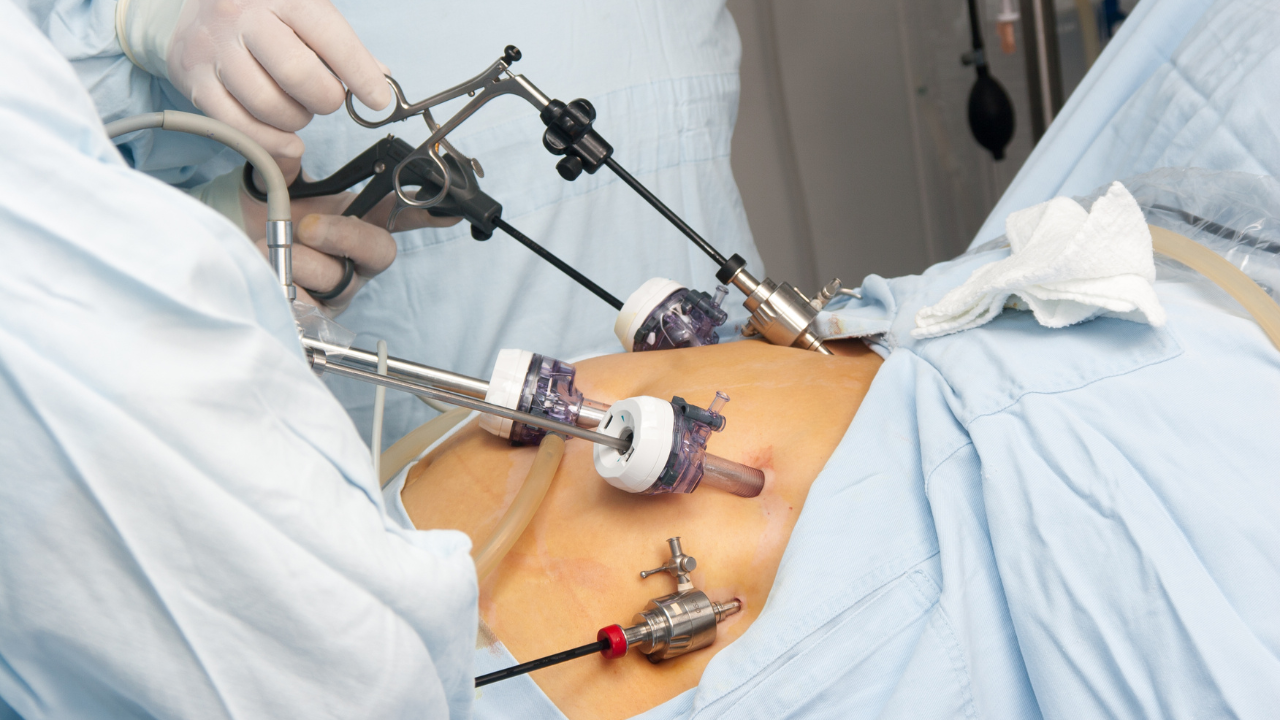
The SADI-S procedure (Single Anastomosis Duodeno-Ileal Bypass with Sleeve Gastrectomy) is one of the most effective bariatric surgeries, offering significant weight loss and improvements in obesity-related conditions. As more patients explore surgical options for long-term health, understanding how the SADI-S procedure works, its benefits, risks, and recovery process is essential.
This blog provides a clear overview to help prospective patients make informed decisions and feel confident about their bariatric journey.
The SADI-S procedure is a combination of two surgical techniques: sleeve gastrectomy and a single intestinal bypass. First, a portion of the stomach is removed to create a smaller, sleeve-shaped stomach, which restricts food intake. Then, a single connection (anastomosis) is created between the duodenum and the lower portion of the small intestine, allowing food to bypass a segment of the intestine.
This dual approach reduces calorie absorption while maintaining a relatively simpler intestinal anatomy compared to traditional duodenal switch surgery. The result is significant, sustainable weight loss while still allowing for good nutrient absorption when patients follow recommended dietary guidelines.
Patients who may benefit from the SADI-S procedure typically have a body mass index (BMI) above 40 or a BMI above 35 with obesity-related conditions such as type 2 diabetes, high blood pressure, or sleep apnea. The procedure is also suitable for patients who have struggled with previous weight loss attempts, including other bariatric surgeries.
Your bariatric team will conduct a thorough evaluation during your consultation, reviewing medical history, prior surgeries, current health conditions, and lifestyle factors to determine if the SADI-S procedure is appropriate for you in 2026.
The SADI-S procedure offers multiple benefits beyond weight loss. Patients often experience significant improvement or resolution of type 2 diabetes, high blood pressure, and elevated cholesterol levels. Research shows that this procedure has comparable outcomes to the traditional duodenal switch while reducing surgical complexity and potential complications. The smaller stomach sleeve also helps patients feel full faster, reducing overall calorie intake. Long-term studies indicate that patients can maintain substantial weight loss over years, especially when paired with adherence to a structured bariatric diet and regular follow-up care.
As with any surgery, there are risks associated with the SADI-S procedure. Potential complications include nutrient deficiencies, surgical site infections, or gastrointestinal symptoms such as diarrhea. Patients must commit to lifelong supplementation, including vitamins and minerals such as vitamin B12, iron, calcium, and fat-soluble vitamins. Regular lab monitoring is essential to detect and address deficiencies early. Choosing an experienced bariatric surgeon and following pre- and post-operative guidelines significantly reduces risks and enhances outcomes.
Recovery from the SADI-S procedure typically involves a hospital stay of two to three days, followed by gradual dietary progression from liquids to purees and eventually solid foods. Most patients can resume normal activities within two to four weeks, depending on individual healing. Adhering to a high-protein bariatric diet, staying hydrated, taking vitamins, and maintaining physical activity are all essential for long-term success. Regular follow-up visits with the bariatric team ensure proper monitoring of weight loss, nutrient intake, and overall health.
Advancements in surgical techniques, anesthesia, and post-operative care make the SADI-S procedure safer and more effective than ever. Minimally invasive approaches reduce pain, scarring, and recovery time. Telehealth follow-ups and digital tools allow patients to track their nutrition, hydration, and vitamin intake remotely, making adherence easier and more consistent. Staying informed about these updates empowers patients to make decisions based on current evidence and best practices.
The SADI-S procedure is a powerful tool for long-term weight loss and improvement of obesity-related conditions. Understanding how it works, who is a candidate, and what to expect before and after surgery is essential for achieving the best outcomes. With proper preparation, commitment to a balanced bariatric diet, and consistent follow-up care, patients can experience transformative results, improved quality of life, and sustained metabolic health. If you are considering bariatric surgery, the SADI-S procedure is an option worth exploring with your healthcare team.